The Post Title 2
- linus351
- 3 sep. 2025
- 5 min läsning
In today's fast-paced world, finding balance can feel like a daunting task. With endless responsibilities and distractions, many of us struggle to maintain a sense of harmony in our lives. Whether it's juggling work, family, or personal interests, the quest for balance is a common challenge. This blog post will explore practical strategies to help you achieve a more balanced life.
Understanding Balance
Balance is not just about dividing your time equally among various activities. It is about prioritizing what truly matters to you. Each person's definition of balance is unique, shaped by individual values and circumstances.
To start, consider what balance means to you. Is it about spending more time with family? Or perhaps it is about carving out time for self-care? Understanding your priorities is the first step toward achieving balance.
The Importance of Setting Boundaries
One of the key elements of maintaining balance is setting boundaries. Boundaries help protect your time and energy. They allow you to say no to things that do not align with your priorities.
Here are some tips for setting effective boundaries:
Identify your limits: Know what you can handle and what you cannot. This awareness will help you make better decisions.
Communicate clearly: Let others know your boundaries. This can be difficult, but it is essential for maintaining balance.
Be consistent: Stick to your boundaries. This consistency will help others respect your limits.
By setting boundaries, you create space for the things that truly matter in your life.
Time Management Techniques
Effective time management is crucial for achieving balance. Here are some techniques to help you manage your time better:
Prioritize tasks: Use a priority matrix to categorize tasks based on urgency and importance. Focus on what needs to be done first.
Use a planner: A planner can help you visualize your week. Write down appointments, deadlines, and personal commitments.
Set time limits: Allocate specific time slots for tasks. This can help you stay focused and avoid procrastination.
Take breaks: Regular breaks can boost productivity. Step away from your work to recharge your mind.
Implementing these time management techniques can lead to a more organized and balanced life.
Embracing Self-Care
Self-care is often overlooked in the pursuit of balance. However, taking care of yourself is essential for maintaining overall well-being. Here are some self-care practices to consider:
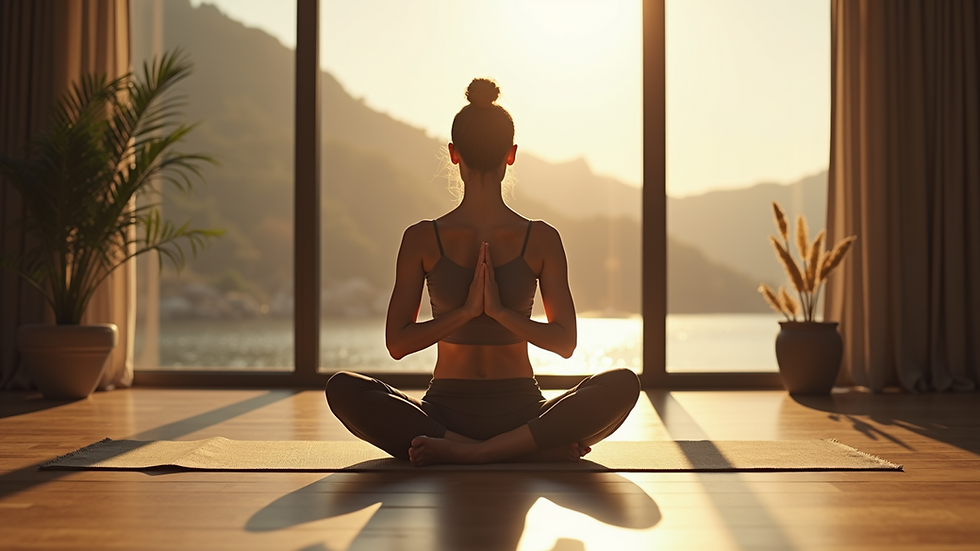
Physical activity: Regular exercise can improve your mood and energy levels. Find an activity you enjoy, whether it is walking, dancing, or yoga.
Mindfulness: Practicing mindfulness can help reduce stress. Consider meditation or deep-breathing exercises to center yourself.
Healthy eating: Nourishing your body with healthy foods can enhance your physical and mental health. Aim for a balanced diet rich in fruits, vegetables, and whole grains.
Quality sleep: Prioritize sleep to recharge your body and mind. Aim for 7-9 hours of quality sleep each night.
Incorporating self-care into your routine can significantly improve your overall balance.
Building Supportive Relationships
Having a strong support system is vital for achieving balance. Surround yourself with people who uplift and encourage you. Here are some ways to build supportive relationships:
Connect with like-minded individuals: Join groups or clubs that align with your interests. This can help you meet new people who share your values.
Communicate openly: Share your thoughts and feelings with friends and family. Open communication fosters deeper connections.
Offer support: Be there for others when they need help. Building a supportive network is a two-way street.
Strong relationships can provide emotional support and help you navigate life's challenges.
Finding Joy in Everyday Life
Finding joy in everyday moments can contribute to a more balanced life. Here are some ways to cultivate joy:
Practice gratitude: Take time each day to reflect on what you are grateful for. This simple practice can shift your perspective.
Engage in hobbies: Make time for activities that bring you joy. Whether it is painting, gardening, or reading, hobbies can provide a sense of fulfillment.
Connect with nature: Spending time outdoors can boost your mood. Take a walk in the park or enjoy a hike in the mountains.
Laugh often: Laughter is a powerful tool for reducing stress. Watch a funny movie or spend time with friends who make you laugh.
By incorporating these practices into your daily life, you can enhance your overall sense of joy and balance.
The Role of Flexibility
Flexibility is another important aspect of achieving balance. Life is unpredictable, and being adaptable can help you navigate changes more easily. Here are some tips for cultivating flexibility:
Stay open-minded: Be willing to adjust your plans when necessary. Embrace change as an opportunity for growth.
Practice patience: Understand that not everything will go as planned. Cultivating patience can help you manage stress during challenging times.
Learn to let go: Sometimes, it is necessary to let go of things that no longer serve you. This can free up space for new opportunities.
Flexibility allows you to respond to life's challenges with grace and resilience.
Creating a Balanced Routine
Establishing a balanced routine can help you integrate all the strategies discussed. Here are some steps to create a routine that works for you:
Assess your current routine: Take note of how you currently spend your time. Identify areas that need improvement.
Set specific goals: Determine what you want to achieve with your routine. This could include more family time, exercise, or self-care.
Create a schedule: Develop a daily or weekly schedule that incorporates your goals. Be sure to include time for work, relaxation, and self-care.
Review and adjust: Regularly review your routine to see what is working and what is not. Be willing to make adjustments as needed.
A well-structured routine can help you maintain balance in your life.
The Power of Reflection
Reflection is a powerful tool for personal growth. Taking time to reflect on your experiences can help you gain insights and make better decisions. Here are some ways to incorporate reflection into your life:
Journaling: Write down your thoughts and feelings regularly. Journaling can help you process emotions and clarify your goals.
Meditation: Spend a few minutes each day in quiet reflection. This can help you connect with your inner self and gain perspective.
Seek feedback: Ask trusted friends or family for their insights. They may offer valuable perspectives that you had not considered.
By making reflection a regular practice, you can enhance your self-awareness and improve your ability to maintain balance.
Celebrating Small Wins
Finally, it is important to celebrate your achievements, no matter how small. Recognizing your progress can boost your motivation and reinforce positive habits. Here are some ways to celebrate small wins:
Acknowledge your efforts: Take a moment to recognize what you have accomplished. This can be as simple as saying "well done" to yourself.
Reward yourself: Treat yourself to something special when you reach a goal. This could be a favorite snack, a relaxing bath, or a day off.
Share your success: Tell friends or family about your achievements. Sharing your wins can create a sense of community and support.
Celebrating small wins can help you stay motivated on your journey toward balance.
Embracing Your Unique Journey
Achieving balance is a personal journey that looks different for everyone. It requires self-awareness, commitment, and a willingness to adapt. By implementing the strategies discussed in this post, you can create a more balanced and fulfilling life.
Remember, it is okay to seek help along the way. Whether it is from friends, family, or professionals, support can make a significant difference.
As you embark on this journey, be patient with yourself. Balance is not a destination but a continuous process. Embrace the journey, and you will find the harmony you seek.


Kommentarer